If you’re reading this, chances are you’ve heard whispers about rapé, a sacred Amazonian tobacco snuff used in ceremony, and you’re curious. Maybe something in you is looking for a way to slow down, to feel more, to reconnect with what matters. You don’t need to believe in anything mystical or sign up for a tribe. Just bring your openness, your breath, and a willingness to explore.
This practice is not about escape. It’s about presence. About turning down the volume on the constant mental noise and tuning into something quieter and often more honest, within yourself.
What is rapé?
Rapé (pronounced ha-peh) is a sacred plant medicine from the Amazon, made from finely ground jungle tobacco (Nicotiana rustica) and the ashes of specific medicinal trees and herbs. Indigenous tribes like the Huni Kuin, Yawanawá, and Katukina have used it for centuries in rituals of healing, prayer, and connection.
It’s not smoked or snorted. It’s blown into the nostrils through a ceremonial pipe, traditionally by another person or sometimes self-administered. It’s intense for a few minutes, and then something shifts: your thoughts slow, your awareness deepens, and often… something lets go.
Western science is slowly catching up. Nicotine from N. rustica is known to stimulate neurotransmitters that improve focus and mood. Many users report increased alertness, emotional clarity, and stress relief.
But at its core, rapé is a sacred medicine.
It’s not recreational. It demands presence, humility, and care.
Work with me
Transformation & Growth
You don’t have to face it alone. Together, we’ll find clarity, reclaim your strength, and reconnect you with who you truly are.
How I work with rapé in men’s work
Let me speak from personal experience about how I use rapé in my work with men, and what I believe is essential when approaching this medicine.
First and foremost: rapé must be approached with respect and intention. I don’t see it as a novelty or a trend, and I don’t believe it should be used for fun or experimentation in casual settings. This is a sacred medicine, and when held properly, it becomes a powerful mirror, the one that helps people connect with their truth, release emotional blocks, and return to clarity.
In the men’s work I lead, I sometimes invite rapé into our space, but only when it feels right. It is never mandatory, and there’s no expectation for anyone to participate. I offer it by invitation only, and only to those I know for some time, those whose intentions I trust, and those I genuinely believe I can support through the process. There’s no place here for ego, force, or performance. This is about safety, presence, and connection.
When I do facilitate, the journey doesn’t start with the blow of the pipe, it begins much earlier, with preparation. We take time to settle, drop into our breath, and get clear on what we’re asking for. I often guide the group through a short grounding practice or meditation to help them tune in. The rapé itself is then served with care, sometimes in nature, sometimes in circle, but always in a safe and quiet space.
After the medicine, the process continues. I guide participants through gentle meditation, breath, or simply silence, whatever is needed in the moment. Often, deep emotions arise: grief, relief, memories, tears, laughter, insight. That’s when the real work begins. We sit with what came up. We talk. We reflect. Sometimes we don’t say anything at all, we just breathe together, knowing something meaningful happened.
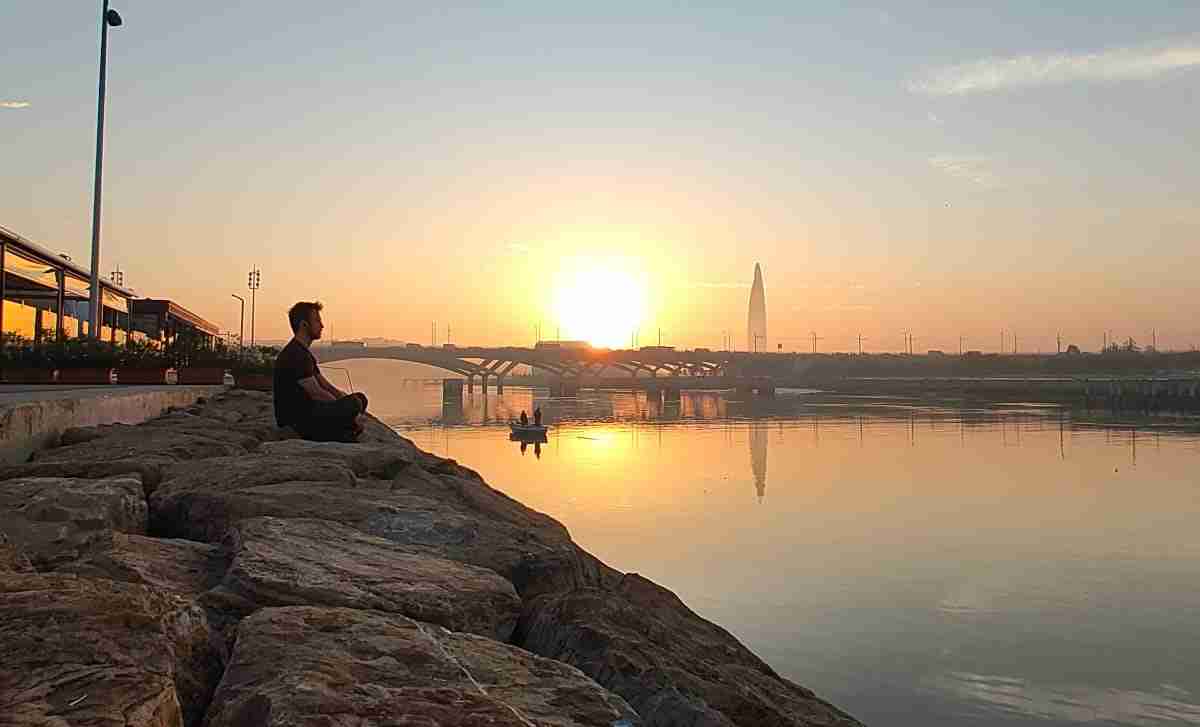
One thing I’ve come to love is working with rapé in natural environments. Whether in the forest, by the sea, or in open fields, being surrounded by the elements supports the medicine in ways that indoor settings can’t always match. The trees seem to listen, the wind carries thoughts, and the earth absorbs what we’re ready to release. Nature becomes a co-facilitator, grounding us in real time.
I also want to name something important: not everyone will resonate with rapé, and that’s perfectly okay. It’s not a one-size-fits-all tool. Some people connect deeply. Others don’t. Some have intense emotional releases. Others feel a quiet stillness. There’s no right way to experience it. What matters is that you come in open, willing, and grounded in your own readiness.
In the end, this is what rapé means to me:
- A practice of presence.
- A bridge to the heart.
- A tool for realignment and emotional truth.
- Not something we do, but something we meet—together, in ceremony, with care.
When the time’s right, the invitation will be there.
Until then: breathe, walk in nature, and listen. You already have what you need.
Subscribe
Take the First Step
Stay up to date. Sign up for occasional newsletter with events, trips, circles and interesting stuff that might help you in your journey. I'm keeping it light, so don't worry, you won't get spammed.