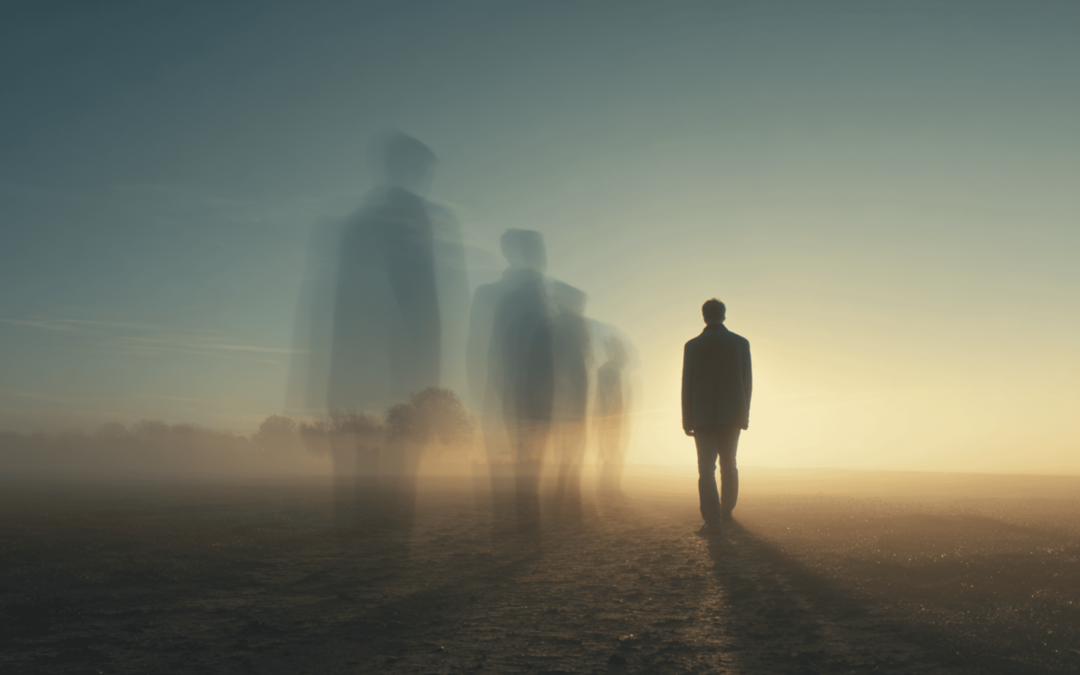
I spent years trying to escape myself. Whenever stress or sadness crept in, I would grab a beer or a few and vanish behind the glow of a video game. It was as if any door out of my own mind was a welcome exit. At the time, I didn’t realise I was escaping the self , I just knew that drinking, gaming, or eating something sweet made the pain or boredom go away for a while.
In those moments of indulgence, life’s pressures disappeared. Work deadlines, personal insecurities, and the lingering fog of everyday anxiety would fade into the background. Yet, as soon as my “activity” was done, or the game was over, all those feelings came rushing back. Deep down, a part of me understood that I was only numbing myself temporarily. I was running from the very stress and emotions that I needed to face. But it would take many years and a profound journey inward for me to fully grasp this truth and begin the path toward genuine peace.
Early escapes: Alcohol and gaming as refuge
My journey of escape began innocently enough in my late teens and early twenties. What started as casual weekend drinks with friends evolved into a ritual. Alcohol became my go-to refuge from reality. After a hard day, One beer often became a few. In the warm haze of intoxication, I found a fleeting sense of relief — a quieting of the constant chatter in my head. Likewise, video games offered a different sort of sanctuary. I could lose myself in a virtual world for hours, sidestepping the real-life problems waiting outside the screen.
At the time, I thought these were just hobbies, ways to “unwind.” I didn’t see them for what they truly were: escape hatches from the stress, fear, and dissatisfaction that I didn’t know how to confront.
And it was never a lot… 4 beers every 2-3 days, being 2 beers every two days later. For some this is just a regular daily routine.
At some point I realised this is not about the quantity or regularity, but the reasons behind and emotional triggers.
Looking back, I can see that these behaviors were rooted in a simple emotional response: I was overwhelmed. Life felt heavy , the expectations, the potential for failure, the unresolved feelings I carried from the past. Instead of processing any of it, I discovered that a few drinks or a marathon gaming session could shut down my overthinking mind. It’s a common story: many of us reach for something – a substance, a distraction. I certainly did. What I didn’t realise then was that each time I escaped, I was strengthening the habit of running away from myself. I was teaching my brain that whenever discomfort arises, the solution is to drown it in alcohol or distraction.
Confronting the burden of self-awareness
There came a point where the consequences of my escapes started piling up. Hours lost to gaming meant procrastinating on real responsibilities and missing out on social connections in the real world. I would often feel guilty and disappointed in myself. In those moments of clarity , I would feel a wave of self-awareness that was almost unbearable. I realised I had been trying to avoid this very feeling.
That insight hit me: I drank and binged on distractions to escape the burden of being me. It was uncomfortable to sit with those feelings. Alcohol and other vices had been like a fast-forward button, leaping over the hard parts of consciousness into a brief oblivion. But the more I relied on those escapes, the more painful it became to face reality without them. It was a vicious cycle: the more I ran, the weaker I felt when I tried to stand on my own.
This awareness was the first step toward taking responsibility for my own well-being instead of outsourcing it.
Subscribe
Take the First Step
Stay up to date. Sign up for occasional newsletter with events, trips, circles and interesting stuff that might help you in your journey. I'm keeping it light, so don't worry, you won't get spammed.
Ending a 20-year love affair with alcohol
The true turning point came when one day I just quit. It wasn’t a decision or plan. It just happened
I tried this many many times and it was hard, and it was always coming back. Until this one, magical moment.
As the months passed without alcohol, I noticed changes I never anticipated. Mornings greeted me with clarity instead shame. I began to rediscover hobbies and simple pleasures. Even my relationships improved. I was more present with my family and friends. Quitting drinking showed me that change is possible, that I am capable of breaking free from a powerful, long-entrenched escape. It taught me that what I thought was my safety net was actually a snare keeping me from truly living.
Life without alcohol forced me to confront emotions raw and unfiltered. In doing so, it proved to be transformative. Without the option to numb out with a drink, I had to find new ways to handle stress and sadness. This was frightening at first , like stepping into daylight after years in a dark room , but over time it became empowering. I was regaining control of my own mind and my choices, one day at a time.
Trading beer for doughnuts
However, giving up one form of escape sometimes meant my mind sought another. In the absence of alcohol, I found myself gravitating more towards sweets. Chocolate, cookies, cake , they became my new comfort. I’ve had a sweet tooth all my life, but it turned into more of an emotional crutch once I stopped drinking. Fortunately, I’m not fat as it might sound from this story now! ;)
If I had a stressful day or felt a wave of loneliness, I’d treat myself to dessert (or two). Unlike alcohol, a sugar binge wouldn’t leave me hungover, so it was easier to justify. But I knew in my heart that this was the same cycle in a different guise. I was still trying to fill a void or soothe an anxiety with something external.
The struggle with sweets has been harder to shake. Perhaps because it felt so harmless – after all, everyone enjoys a sweet treat now and then. There’s no social stigma in having cake. But I could see that why I was eating mattered. When I ate sugary foods to truly savor them, it was a joy. When I ate them to escape an emotional ache, it was just another form of suffering in disguise. I’d feel the sugar rush and subsequent crash, and worse, the pang of knowing I’d given in to a craving rather than addressing the real feeling underneath.
Recognising this pattern has been crucial. It taught me that even after slaying one dragon, there can be another hiding in the shadows. My relationship with sweets is still a work in progress as I haven’t completely sworn off desserts, but I’m learning to be more mindful of my motives. The key has been honesty with myself: admitting when I’m eating out of stress or boredom, and gently probing what that discomfort is really about instead of automatically smothering it in chocolate.
Discovering the concept of “Escaping the Self”
Amid these battles with old habits and new ones, I stumbled upon the idea of “escaping the self.” When I first read about this concept, something clicked. It was described as the tendency to flee from our own self-awareness when it becomes painful or overwhelming. The book spoke about craving-driven mechanisms and how our brains latch onto substances or activities that provide quick pleasure or distraction as a way to avoid confronting stress, insecurity, or emptiness inside. I saw myself in every word of that description.
This realisation was like turning on a light in a dark room. I finally had a name for what I’d been up to – escaping my own consciousness because it was full of worry and self-doubt. I learned that I wasn’t alone or broken for doing this – it’s a very human response. But I also learned that it’s a trap. Understanding this concept gave me a new perspective: if I wanted to truly heal and find peace, I had to stop running. I had to sit with myself, no matter how uncomfortable, and find a way to be okay in my own skin.
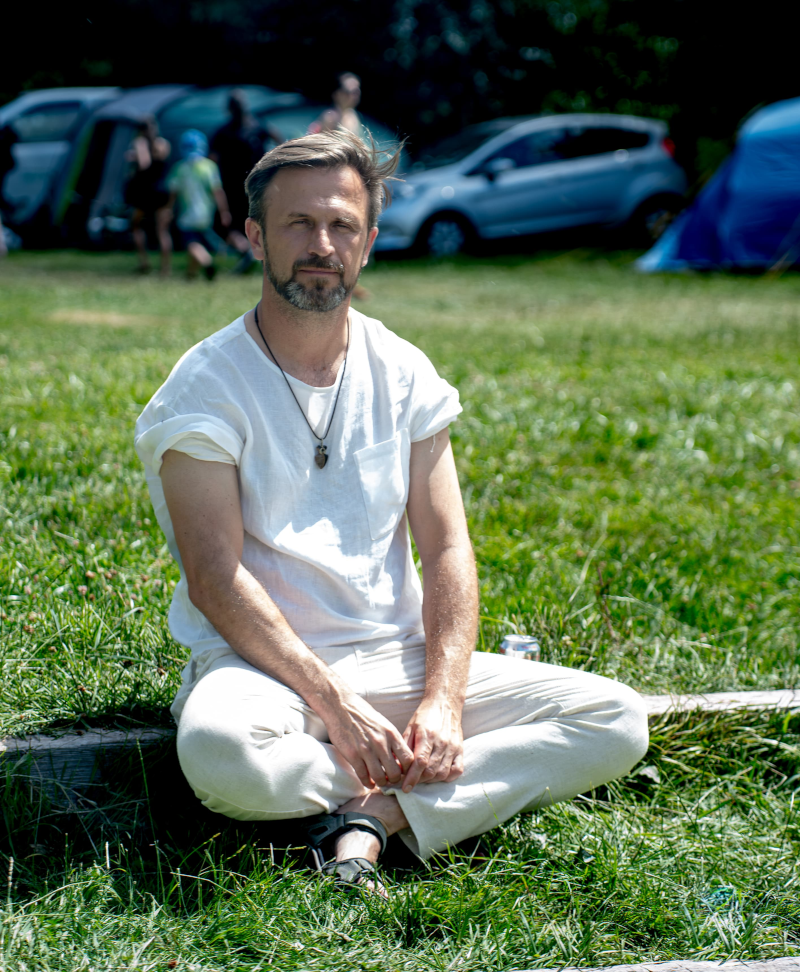
Rather than escaping the self, what if I could befriend the self I had been fleeing?
That’s one of the reasons why I now teach and help men recognise these patterns: how they form, what they might be, and the journey of discovering where they truly come from, since they are almost never obvious or easy to see. I help them see cravings as signals rather than irresistible commands, and to understand how those signals point to inner hurt or stress that needs attention.
Living in presence: Changes unfold
The changes that unfolded in me through meditation and presence were both subtle and profound. Friends and family remarked that I seemed calmer, even in situations that would have normally stressed me out. I noticed it too: a steady calm had taken root inside me. It wasn’t that I became immune to stress or never felt upset, but those feelings no longer swept me away so easily. There was a space between me and my reactions now, a space carved out by mindfulness and stillness.
I also started noticing the little beauties around me that I used to rush past. I’d catch myself pausing to appreciate the golden light of sunset on my evening walk, or the way raindrops gathered on my window in the morning. These were sights I used to ignore, caught up in my internal dialogue or my next fix of excitement. Now they felt like daily gifts. Life, in its ordinary moments, was enough. I didn’t need to constantly seek entertainment or solace elsewhere; much of it was right in front of me if I just paid attention.
Choosing presence over escape
My journey taught me that true peace isn’t found in escaping your life, but in living it fully. I spent so long chasing relief through external means only to discover that the relief they provided was an illusion. The real antidote to my stress and suffering was inside me all along, waiting in the stillness.
The art of presence, as I’ve come to understand it, is about slowing down the internal race. It’s choosing to meet each moment as it is, rather than constantly yearning for something else to change my state. This hasn’t been a journey of becoming someone new, but of coming home to who I’ve always been beneath the turbulence. By quieting my mind and being present, I found a deep inner peace that no high or sugar rush could ever replicate.
Escaping the self was a desperate strategy born of pain, but it never solved the pain. Embracing the self, even the hurt, anxious, imperfect parts, turned out to be the real remedy. Now, life isn’t perfect, and neither am I. But I don’t need it to be. The difference is that I’m living from a place of presence. I still enjoy a good video game now and then, and I’ll certainly have dessert on special occasions, but these things no longer own me. And no, I don’t drink alcohol anymore (must be over 8 years now), but I do enjoy occasional 0% beer. It’s as good! Just for pleasure.
They are no longer escapes; they’re simply choices, experiences to be had in moderation and mindfulness.
In the end, the art of presence has given me what all the years of escapism never could: a genuine sense of freedom.
Freedom to feel, to experience life directly, and to be at peace with myself.
And perhaps the greatest insight of all is this: when you stop trying to escape the self, you find that there was never anything to run from in the first place, only a life waiting to be truly lived.